
The Missing Middle Between Commission and Independence
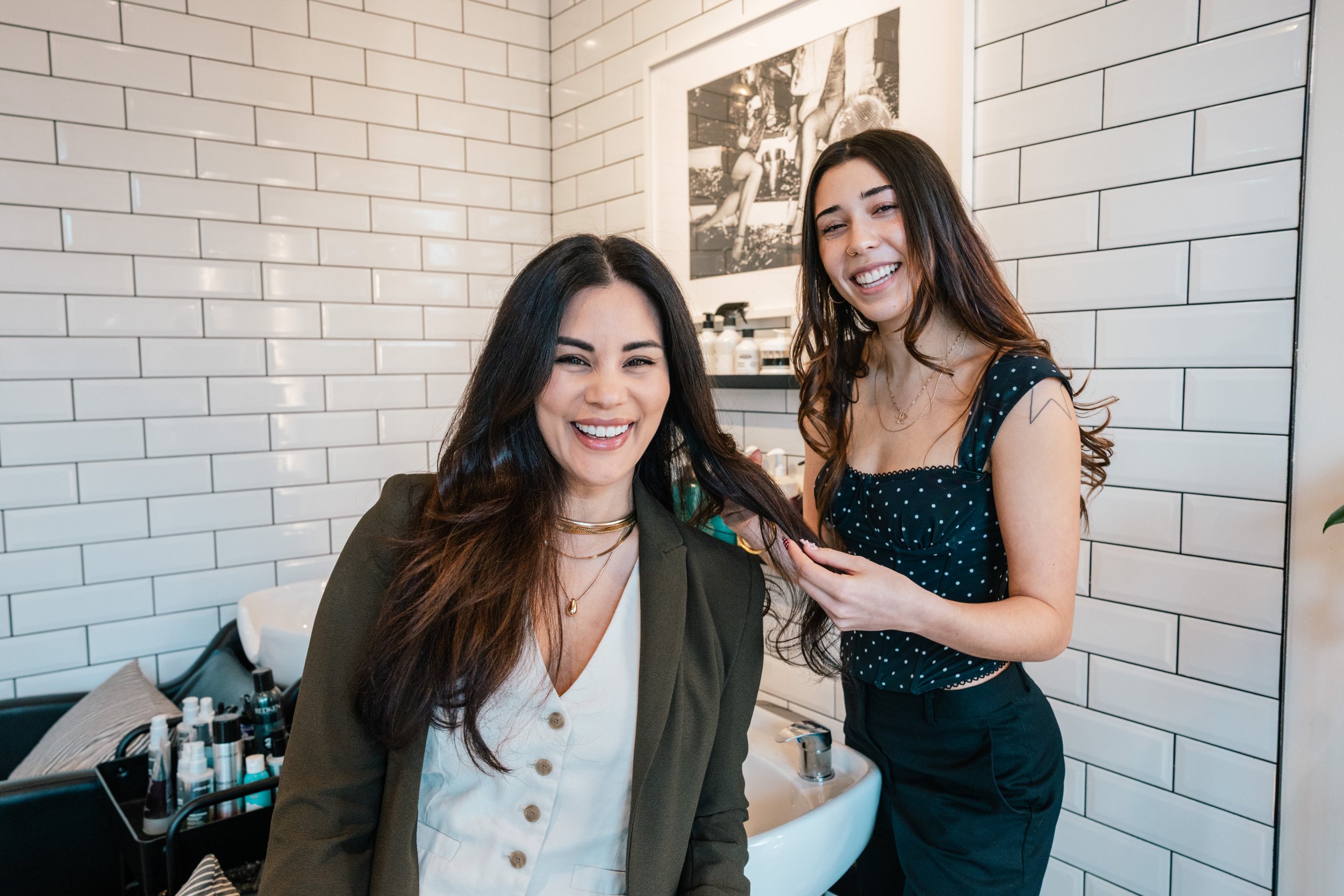
The Integrated Salon Model is built around moments for a stylist to do their own work, with experienced guidance close enough to help when they need it.
When a stylist says they’re ready to become independent, we usually celebrate the freedom of it: their own schedule, their own pricing, their own clients and finally, their own business…and we should celebrate that.
But somewhere between leaving a commission salon or graduating from cosmetology school and becoming “their own boss,” we skip over a fairly important question:
Who is teaching them how to actually build the business they now own?
Knowing how to do beautiful hair and knowing how to build a sustainable career around it are two very different skill sets. Yet our industry often acts as though a business license, a booking link and an Instagram account are enough to bridge the gap.
One minute, someone is helping with a color formula. The next, that stylist is expected to understand pricing, expenses, taxes, marketing, retail, retention, client experience and content creation, while continuing to become more confident behind the chair.
That is a lot to hand someone along with the keys to a salon suite and a cheerful “You’ve got this.”
The problem with only having two options
For years, we’ve treated commission and independence as opposite sides of the salon industry.
In a commission salon, a stylist may receive education, structure, mentorship, a shared culture and help building a clientele, but they generally have less control over their income and the way their business operates.
An independent stylist gains more autonomy, but that freedom often comes with an immediate loss of support. Traditional booth rental may provide a chair and a place to work, but it doesn’t necessarily teach someone how to fill that chair or manage the business attached to it.
Both models can work, and both can be the right fit for different people. The problem is that we’ve made stylists choose between support and ownership as though the two cannot exist together.
After owning commission salons, developing apprenticeship programs and working with independent stylists, I kept noticing the same gap. Some stylists weren’t struggling because they lacked talent or ambition. They were struggling because they had too many things to build at once and no clear order to build them in.
That is the gap I created the Integrated Salon Model to fill.
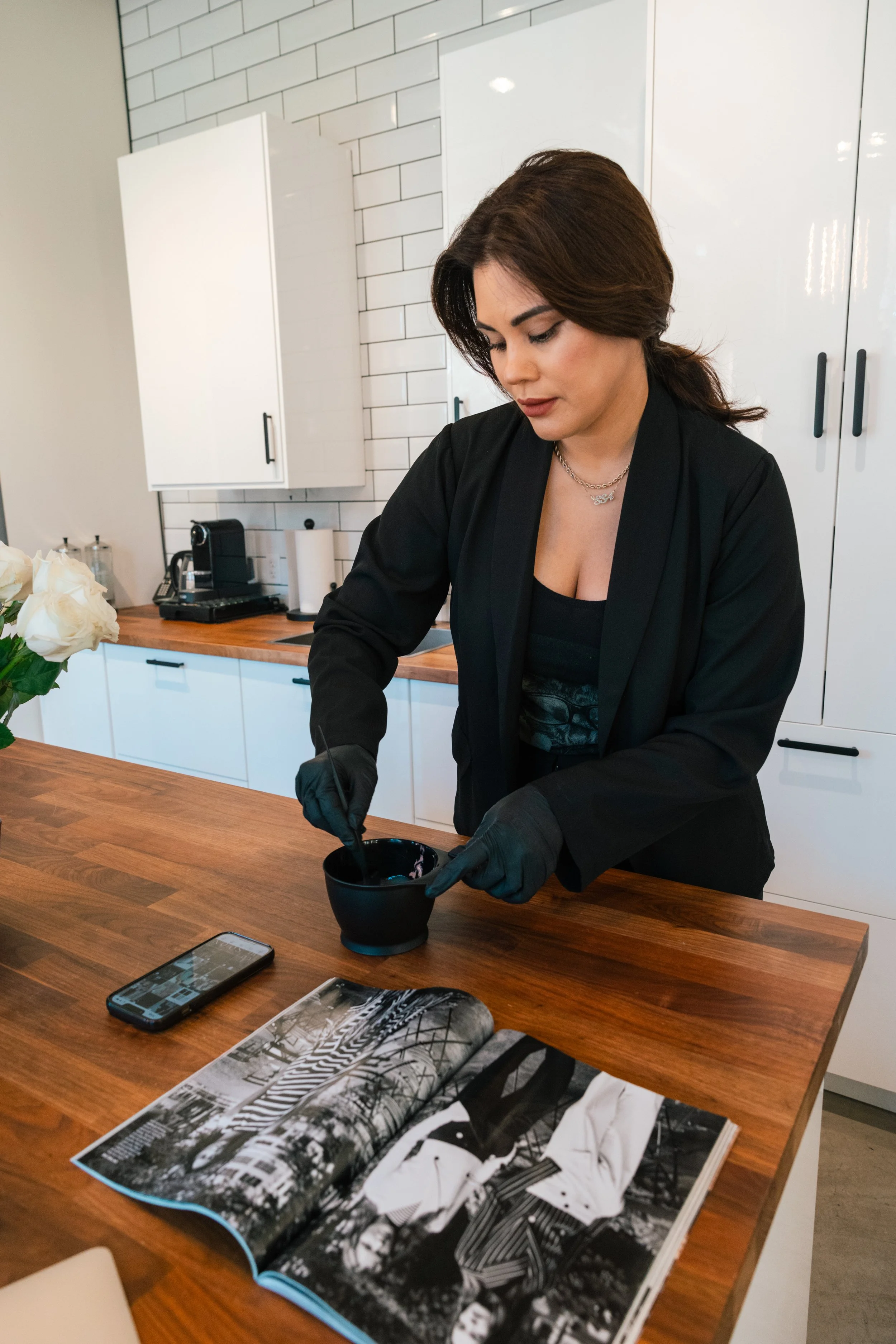
Access to a shared color bar allows stylists to begin taking clients without having to purchase and manage an entire color inventory on day one.
The industry doesn’t need fewer independent stylists. It needs a better way to prepare them.
The Integrated Salon Model at a glance
27 years of experience behind the chair and building salon businesses
18 months spent testing and refining this model inside Ivory Salon
6 months of structured support for stylists entering independence
90 days of focused support for established stylists experiencing a growing pain
One goal: independence without isolationThe Integrated Salon Model is a tiered pathway that helps a stylist move into independence without expecting them to figure out every part of business ownership alone.
It combines the autonomy of an independent business with the education, collaboration and guidance people often associate with a healthy commission salon.
The stylist remains responsible for their work and their business. My role is to help them recognize what deserves their attention now, what can wait and what needs to be in place before they add the next layer.
That order of operations is the heart of the model.
Because when everything feels important, everything feels urgent. A stylist may try to offer every service, market to everyone, post on every platform, learn five new techniques and completely brand a business that hasn’t found its footing yet. More information doesn’t always solve that problem. Sometimes people need fewer priorities and a clearer place to begin.
Meeting stylists where they are
There are currently two ways I offer the model.
The 90-Day Integrated Growth Reset is for stylists who aren’t local and are already working in a salon but have reached a growing pain. Something isn’t working, but they may not know whether the issue is their pricing, positioning, clientele, service structure or how they’re using their time. The reset helps identify the real constraint and build around what the business needs next.
The Six-Month Integrated Model takes place inside my salon and is designed for someone becoming independent for the first time. That may be a stylist transitioning out of commission or a recent graduate who wants to begin independently with guidance around them.
The process starts with a growth assessment and a deposit to secure their position in the salon. From there, we use a checklist and a structured progression to determine what they will focus on throughout the six months.
Instead of immediately offering every service they learned in school, we begin by identifying the services they enjoy most and feel most confident performing. Those niche services become the foundation of the business.
This isn’t about putting someone in a box or deciding the rest of their career for them. It’s about giving them a strong starting point. Once that foundation is working, we can expand their service offerings with much more intention.
What support looks like inside the salon
The stylist begins with one designated day behind the chair, giving them the opportunity to take clients and earn income while continuing to build their technical ability and business skills. Their chair rent includes backbar and full access to the salon’s color bar. They also receive ongoing education and guidance with color formulation, haircut architecture and the practical questions that come up while working with real clients. But technical education is only part of it. We also work on the building blocks of the business: understanding finances, creating a client experience, developing a niche, producing content and making decisions that support long-term growth instead of simply reacting to whatever feels urgent that week.
The order matters
The model is designed to help a stylist build in the right sequence:
Assess: Identify their strengths, financial reality and biggest growth opportunity.
Narrow: Choose the services that build the most confidence and create the strongest foundation.
Build: Develop technical ability, clientele, pricing, finances and visibility with guidance.
Expand: Add services and opportunities once the original foundation can support them.
The goal isn’t slower growth, it’s growth that doesn’t have to be rebuilt six months later. The salon maintains much of the collaboration and culture people value in a commission salon. We share resources. We create content in-house. Stylists can participate in brand collaborations and partnership giveaways that help introduce them to new audiences. They earn commission on retail, with additional opportunities connected to products from my brand partnerships, and they have access to continued education without having to seek out every opportunity alone. They also have people nearby who notice when they need help. That may sound small until you’ve tried to formulate through a correction, run behind with a full day of clients or make a difficult business decision entirely by yourself. Independence is valuable, but isolation isn’t a requirement of it.
Guidance does not replace ownership
There is an important boundary built into this model: I can guide the stylist’s journey, but I cannot take the journey for them. I can help with a formula, explain the architecture of a haircut, look at their numbers or help them identify the next priority. I can create the structure, provide access and make the learning curve less lonely. The stylist still has to follow through. Because they are independent, the business and the work remain theirs. Expectations are clearly laid out at each stage, but the effectiveness of the model ultimately depends on their willingness to practice, participate and apply what they are learning.
This isn’t a promise of an instantly full clientele, and it isn’t a shortcut around the uncomfortable parts of building a business. It is a more supported way to move through them.
This model is intentionally not for everyone
A stylist entering the six-month program needs to be financially prepared for a building season. I tell them to approach this period as though they are still in school because they are investing time and money into developing their skills, clientele and business foundation simultaneously. That reality matters. Creating a program that sounds accessible to everyone but sets people up to panic financially within the first month would not be responsible.
The right stylist for this model wants independence, but also values feedback, education, collaboration and a clear process. They are willing to narrow their focus before expanding it. Most importantly, they understand that receiving support and doing the work are not the same thing.

Independence doesn’t have to mean isolation. The goal is to give stylists room to build something of their own while still feeling connected, supported and part of a salon culture.
Why this model matters now
Clients are becoming more intentional about where and how often they spend. Some are spacing out appointments, reconsidering services or expecting their beauty choices to make more sense for their budgets and lifestyles. That doesn’t mean stylists need to become cheaper. It means they need to understand how to communicate value, build loyalty, manage their money and design services that work for the client and the business.
Technical talent alone cannot carry all of that. The more the market changes, the less comfortable I am with sending stylists into independence equipped only to perform the service. We have to prepare them to understand the business underneath it, too.
I don’t believe the future of the industry is less independence. I believe it is better-prepared independence. Independence with guidance, autonomy with belonging, and ownership without the assumption that someone should already know how to do everything alone.
I’ve spent the past 18 months refining this model inside my newer salon, and I’ve watched stylists make progress in six months that once took two or three years inside my former commission structure. I’m now turning the process into assessments, checklists and resources that other stylists and salon owners can use, with plans to release them in November.
There is still much more to share: the financial structure, the six-month roadmap, how the salon culture works and how an owner could adapt the model without recreating my salon exactly. So I’d love to know what details might be useful to you next.
Are you most curious about the stylist’s experience, the salon owner’s role, the numbers behind the model or how it could work inside an existing salon?
Send me your question. The parts people are most curious, or skeptical about are probably the parts most worth talking about. Because stylists deserve more than two choices, and our industry is ready for another option.